
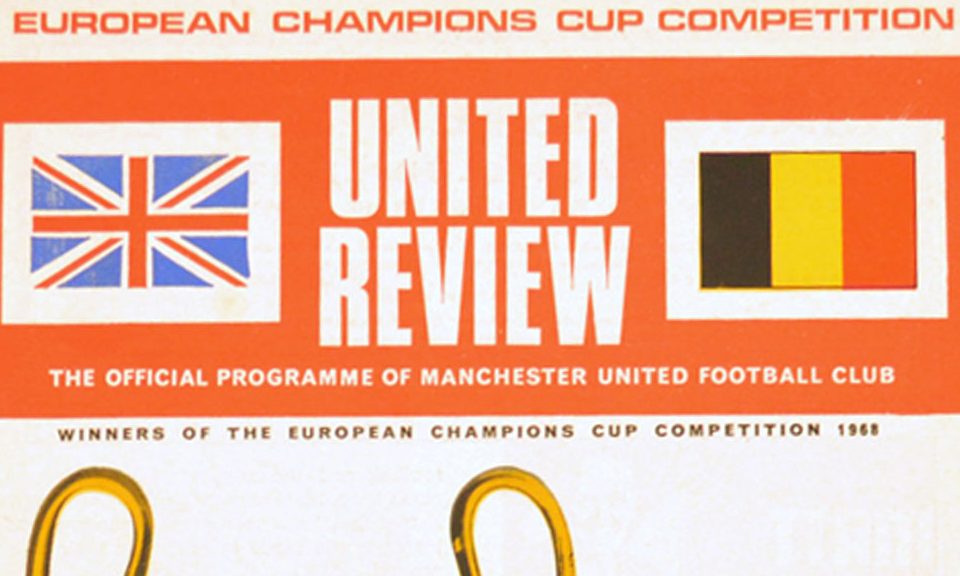
Collecting does not always need to begin with the rarest cup final, the most famous player or a complete run of one club’s home fixtures. Some of the most satisfying collections are built around a theme that matters personally to the collector.
Football programmes connected to a birthday, birth year or important family date can turn ordinary fixtures into meaningful pieces of personal history. A programme might record the match played on the day you were born, the first weekend after your arrival or a fixture attended by a parent or grandparent.
This approach is flexible, affordable and open to almost everyone. It also encourages collectors to explore unfamiliar clubs, competitions and seasons while connecting their own story with the wider history of football.
Begin with the Day You Were Born
The most direct starting point is to search for matches played on your exact date of birth. If you were born on a Saturday during the traditional football season, there may be a large selection of league and cup fixtures from which to choose.
You could look for your favourite club’s match that day, the most significant fixture in the country or a programme from a team connected with your birthplace. If no game took place on the date itself, consider the nearest footballing Saturday or your club’s first match after you were born.
Midweek birthdays can still produce interesting possibilities. Evening league matches, European ties, cup replays and international fixtures may all have been scheduled. Summer dates might connect with tournaments, pre-season friendlies or matches played in countries following different calendars.
The aim is not to apply rigid rules. Choose the interpretation that gives the programme genuine meaning for you.
Build a Collection Around Your Birth Year
A birth-year collection offers a much wider range of options. You might collect one issue from every month, each competition played that year or important matches involving a chosen club.
Calendar years cross two football seasons, creating an interesting contrast. The opening months complete one campaign, while the autumn introduces new players, promoted teams and fresh expectations. Collecting across both periods helps show how quickly the sport can change.
Another approach is to focus on major events: domestic cup finals, European finals, internationals, promotion deciders and memorable debuts. These fixtures place your birth year within football history without requiring an attempt to obtain everything.
Collectors born in years containing major international tournaments may have an especially rich theme. However, official programmes from famous matches can be expensive, so qualifying fixtures, warm-up games and tournament supplements provide accessible alternatives.
Dated programmes for a personal timeline
-

Spain v Switzerland 28.12.1941
-
Man Utd v Portsmouth 25.12.1947

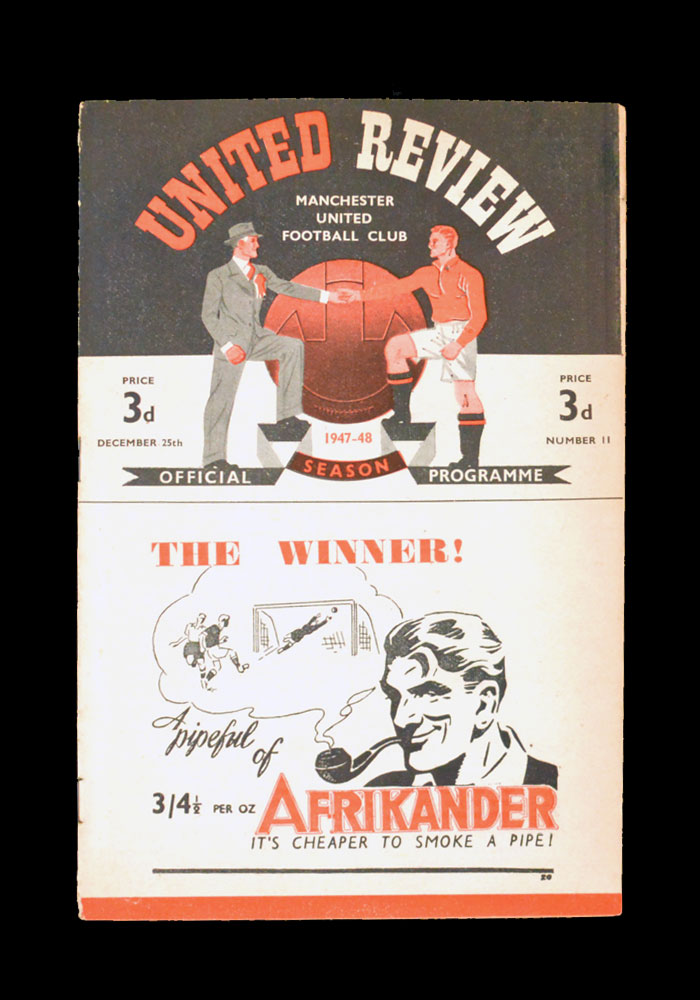
Archive examples: Spain v Switzerland, 28 December 1941, and Manchester United v Portsmouth, 25 December 1947. These illustrate date-based collecting; they are not linked to any named person’s birthday.
Follow Your Birthday Through the Decades
Instead of concentrating on one year, collect programmes issued on the same date across multiple seasons. This creates a personal annual timeline.
Because fixture calendars shift, your birthday may fall on a matchday in some years but not others. When it does, the selection could range from an ordinary lower-division game to a major cup tie. That unpredictability is part of the appeal.
A collection could begin with the year of your birth and continue through childhood, significant birthdays and the present day. Programmes from ages 18, 21, 30, 40 and 50 can mark milestones even if you did not attend the matches.
Leap-day birthdays offer a particularly distinctive challenge. Matches played on 29 February occur relatively infrequently, creating a naturally limited field that may include some unexpected fixtures.
Recording the score, attendance and key events beside each programme turns the collection into both a personal chronology and a sporting reference.
Include Parents, Children and Grandparents
Family dates can broaden the idea considerably. Search for programmes connected with the births of parents, partners, children or grandchildren. Each person could be represented by one match, one club or a complete group from their birth year.
Wedding anniversaries, family moves and other milestones can also provide themes. A programme from the date two relatives married may make an unusual anniversary gift, particularly if it involves the club they support together.
Older family connections can lead collectors into unfamiliar areas of football history. Researching a grandparent’s birthday might uncover wartime competitions, defunct clubs or grounds demolished decades ago.
Ask relatives about the first match they attended and the games they remember most clearly. Even when the original programme was not kept, finding a replacement can restore a tangible part of the family story.
Recreate a First Match
The programme from someone’s first live match often carries more emotional importance than a rare final. It recalls the journey to the ground, the first view of the pitch and the moment football changed from something watched on television into a physical experience.
If the date has been forgotten, family memories can provide clues. Opponents, weather, goalscorers, kit colours or a particular player may help identify the fixture. Season records and newspaper archives can then narrow the possibilities.
Once the match is established, search for the programme, ticket and team sheet. A photograph of the ground or contemporary newspaper report can expand the display.
Parents can also preserve programmes from their children’s first matches, adding written memories while the details remain fresh. Over time, this becomes an item that records both the fixture and the family occasion surrounding it.
Use Fixture Records to Identify Matches
Accurate research is essential, especially when several games were played close to the relevant date. Online fixture databases, club histories, annuals and newspaper archives can help establish the correct opposition and venue.
Remember that a printed date does not prove the match took place as planned. Fixtures may have been postponed, abandoned or moved for television. Check the actual playing date rather than relying solely on a season list.
For historical matches, club handbooks and specialist reference books may provide information missing from general websites. Supporters’ groups and collector communities can also help solve uncertain fixtures.
Keep a written list containing the date, home team, away team, competition and season. This prevents accidental duplicate purchases and makes online searching much quicker.
Following dates across different decades
-
Arsenal v Anderlecht 21.10.1953 (Friendly)
-
Newcastle v Feyenoord 11.09.1968 1st Round 1st Leg 4-0


Archive examples: Arsenal v Anderlecht, 21 October 1953, and Newcastle v Feyenoord, 11 September 1968. Use the catalogue details as a starting point, then verify the fixture when researching a personal date.
Search Using Different Date Formats
Sellers describe listings inconsistently, so use several search combinations. Try the club names with the full date, shortened year and season format. Search both “versus” and “v”, and reverse the club order if necessary.
A programme may be listed only under the home club and season, with the opponent visible in a photograph but absent from the title. Browsing complete season lists can therefore uncover copies missed by a precise search.
Look through specialist dealers, auctions, online marketplaces, programme fairs and club memorabilia groups. Setting saved searches or alerts is useful when seeking an uncommon date.
For particularly elusive issues, let trusted sellers know what you need. A copy may be sitting within a large unsorted collection rather than advertised individually.
Balance Personal Meaning with Condition and Cost
A birthday connection can make an ordinary programme feel unique, but normal collecting considerations still apply. Check for missing pages, cut-out tokens, writing, rusted staples and detached covers.
You may prefer a clean copy for display, while another collector might value handwritten scores showing that the programme was used at the game. Decide what matters within your personal theme.
Famous fixtures and clubs can command higher prices. If the ideal issue is unaffordable, consider a reserve match, non-league fixture or lower-profile game from the same date. The personal link remains intact.
Do not assume that age automatically creates rarity. Many programmes survive in large numbers, while an unremarkable issue from a smaller club may be much harder to locate.
Present the Story Behind the Programmes
Personal collections become more engaging when the reason for each item is recorded. Add a short note explaining the family date, match result and why the programme was chosen.
Acid-free sleeves can protect individual issues, while albums allow them to be arranged chronologically. Keep supporting tickets and photographs nearby without using tape or glue on the original paper.
A digital catalogue can include cover images, acquisition details and family memories. This information may become as valuable as the publications when the collection passes to another generation.
Where Personal and Sporting Stories Meet
Birth-year and birthday collecting transforms dates on a fixture list into connections between football and family life. It can commemorate the day somebody arrived, recreate a first visit to a ground or follow one birthday through decades of changing teams and competitions.
The theme can remain a small group of carefully selected football programmes or develop into an extensive historical project. Either way, its importance is not determined solely by market value.
By combining personal milestones with football history, each issue gains a story no catalogue can supply. The programme still records the match—but it also marks where that match sits within your own life.