
Football programmes record far more than teams, results and match reports. Look closely at their covers, advertisements, editorial notes and pricing information, and they also reveal how money has shaped the game.
A programme may show what supporters paid to enter the ground, how much the publication itself cost and which local companies could afford to advertise inside. Chairman’s notes might discuss financial pressures, while player features can hint at an era when even leading footballers lived very differently from modern stars.
Read across several decades, football programmes become an informal economic history of the sport. They chart the journey from maximum wages and modest gate receipts to broadcasting contracts, global sponsorships and clubs operating as international brands.
The Price Printed on the Cover
The cover price is one of the simplest clues to football’s changing economy. Early programmes could be bought for a few old pennies, while later issues moved through decimal pricing and eventually reached the multi-pound cost familiar today.
A direct comparison can be misleading unless wider inflation and household incomes are considered. Nevertheless, the gradual increase says something about how the programme itself changed. A basic folded sheet developed into a substantial publication with colour photography, glossy paper and extensive editorial content.
Special occasions often commanded higher prices. Cup finals, internationals and European ties might receive larger souvenir editions designed to be kept after the match.
Altered prices can also create collectable variations. A postponed programme reused for a rearranged fixture might carry a sticker or overprint showing a new charge. Some clubs produced different editions or combined a programme with another matchday product.
Admission Charges and the Cost of Attendance
Ticket information inside programmes helps reconstruct what it cost to watch football in different periods. Notices may list admission for terraces, stands, reserved seats, children and members. They can also explain arrangements for upcoming cup ties or all-ticket matches.
These prices reveal the hierarchy within the ground. Standing areas generally offered the cheapest access, while central covered seats cost more. The difference between adult and junior admission shows how clubs attempted to attract younger supporters.
A ticket price cannot be understood fully without comparing it with contemporary wages and living costs. Even apparently tiny charges could represent a meaningful weekly expense, particularly for families attending together.
Travel, food and the programme added to the total cost. Advertisements for special trains and organised coaches demonstrate that an away match required additional planning and money long before modern debates about supporter expenditure.
The Maximum Wage Era
For much of the twentieth century, professional footballers in England were subject to a maximum wage. Even famous players could not negotiate salaries remotely comparable with the income their modern equivalents receive.
Programmes rarely printed exact wages, but editorial comments and player biographies reveal the world surrounding that system. Features might mention a footballer’s trade, business interest or work undertaken outside the season. Players often lived within the communities represented by their clubs and remained socially closer to the people watching them.
The maximum wage became increasingly controversial as crowds and revenues grew. Supporters could see packed grounds generating substantial gate income while the players at the centre of the spectacle remained restricted.
Its abolition in 1961 changed the relationship between clubs and leading footballers. Programmes from the surrounding years provide valuable context through discussions of contracts, transfers and the changing status of the professional game.
Transfer Fees Make the Headlines
Transfer spending has long fascinated supporters, and programmes frequently comment on new signings and record fees. What once appeared an extraordinary sum can seem modest when viewed beside later transactions.
Chairmen and managers often used their columns to explain recruitment decisions, defend expenditure or ask supporters for patience while a new team developed. A high-profile signing might dominate the cover and receive a detailed introduction inside.
Transfer language has changed alongside the figures. Earlier programmes may refer simply to a fee agreed between clubs, while modern publications discuss contract lengths, international markets and complex loan arrangements.
The programme from a player’s home debut can become especially desirable if that signing later transforms the club. Conversely, an enthusiastic feature about an expensive failure provides another revealing piece of football history.
Local Businesses Behind the Club
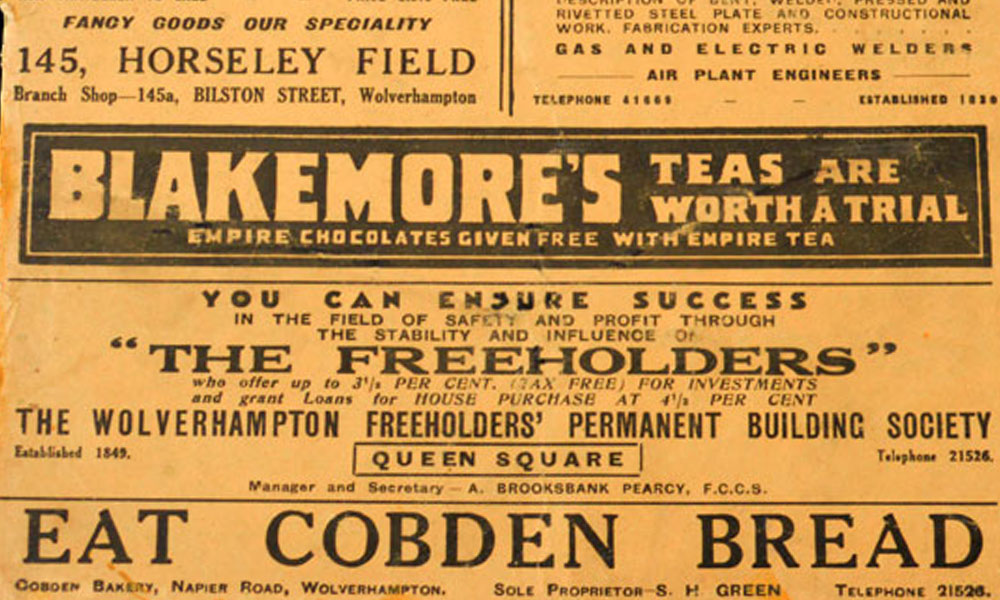
Advertisements are among the richest parts of older programmes. Local garages, builders, public houses, cinemas, outfitters and manufacturers bought space to reach supporters from their own area.
These adverts show how clubs were embedded within local commercial life. A business might support the same team for years, becoming familiar to generations of matchgoers. Some advertised products have disappeared, while others preserve old addresses, telephone numbers and prices.
The mixture of sponsors can reveal the economic character of a town. Industrial centres might feature engineering companies and factories, while coastal clubs carried advertisements for hotels and entertainment.
Collectors sometimes overlook these pages, but they make programmes valuable to local historians as well as football enthusiasts. They document businesses that may have left few other accessible records.
From Advertising to Shirt Sponsorship
As commercial opportunities expanded, businesses moved from buying small spaces inside programmes to securing far more visible relationships with clubs. Shirt sponsorship, stadium branding and competition naming rights transformed the appearance and language of football.
Programmes chart this development clearly. Sponsor logos began appearing on covers, team photographs and editorial pages. Features thanked commercial partners, while competitions became difficult to discuss without using a sponsor’s name.
A sponsorship change can help date an otherwise unclear photograph or publication. It can also create variants when a team uses different shirt branding in domestic and international competition.
Modern partnerships extend beyond local companies. Airlines, betting firms, financial services, technology businesses and global consumer brands use football to reach international audiences. The adverts inside programmes therefore show how a club’s commercial focus has moved from its immediate community towards worldwide markets.
Broadcasting Changes the Financial Model
Older clubs depended heavily on spectators passing through the turnstiles. A postponed match or disappointing attendance could have an immediate financial effect because gate receipts formed such an important part of income.
Editorial notes sometimes urged supporters to attend, buy season tickets or support fundraising schemes. Ground improvements, new stands and floodlights could place significant pressure on club finances.
Television gradually altered that model. Programmes began listing broadcast arrangements, discussing changed kick-off times and acknowledging the growing importance of media coverage.
In the modern game, broadcasting income can outweigh traditional matchday receipts for many clubs. Yet programmes also record the tension this creates. Fixtures moved for television may inconvenience travelling supporters, highlighting the difference between football as a live community event and football as global entertainment.
Fundraising, Lotteries and Supporter Contributions
Not every financial story involves enormous sponsorship deals. Programmes also show how clubs raised modest but essential sums through lotteries, development funds and supporter schemes.
Coupons encouraged readers to enter draws, while progress reports explained how money would pay for ground repairs, youth development or new facilities. Some clubs appealed directly for volunteers, materials or financial support during difficult periods.
Share offers and rescue campaigns appear in programmes from clubs facing serious financial trouble. Read later, these messages can be poignant, particularly when the campaign failed or the club subsequently reformed.
Such material shows that supporters have never been merely customers. At many clubs, they have helped finance survival and preserve football within their communities.
Programmes as Commercial Products
The programme itself gradually became more commercial. Alongside editorial content, clubs added merchandise catalogues, subscription offers and promotions for replica shirts, videos and collectables.
Colour printing created better opportunities for advertisers, while increased page counts provided more space to sell. Modern issues may promote hospitality packages, international memberships and official digital platforms as much as the next home fixture.
Despite these changes, producing a physical programme has become financially challenging for some clubs. Falling sales, printing costs and the availability of free online information have encouraged reduced print runs or digital-only editions.
This makes current programmes part of another economic transition: the movement from paid matchday print towards instant digital communication.
Reading the Financial Story Between the Lines
The most revealing financial details are not always found in major announcements. A programme price, small advert or season-ticket notice can say just as much about its era.
Placed in chronological order, football programmes show admission costs rising, local advertisers giving way to multinational sponsors and player wages moving from strict limits to global contracts. They also record recurring concerns about debt, affordability and the relationship between clubs and supporters.
Money has always been part of football history, even when the figures were smaller. Programmes allow collectors to see how that relationship changed—not through modern summaries, but through the prices, appeals and commercial messages supporters encountered at the time.