
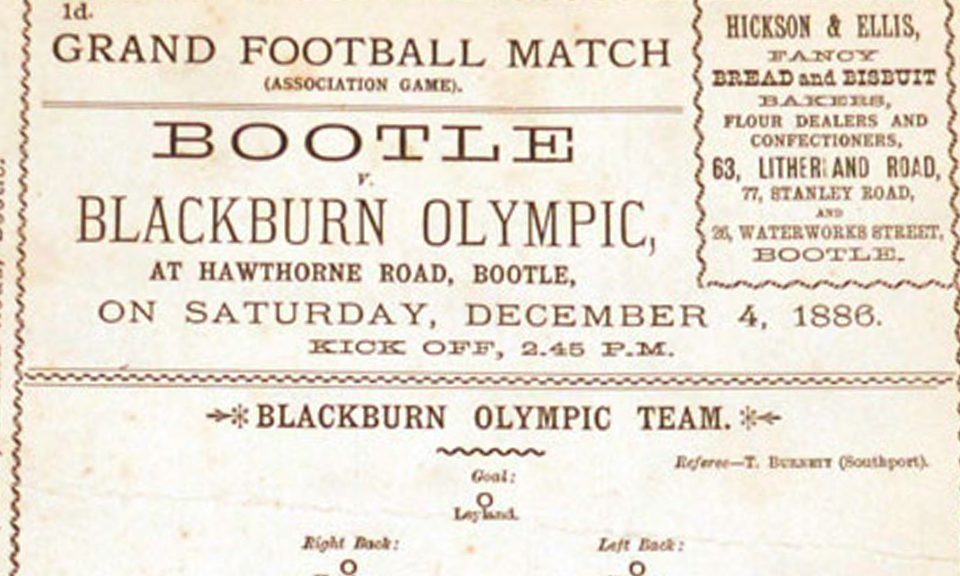
Two copies of the same football programme can command very different prices. One may be clean, complete and carefully stored, while the other has folds, rusty staples, handwritten team changes or a missing page. The fixture is identical, but the condition changes how desirable each copy is.
Grading is not an exact science. Different dealers and collectors may describe the same programme in slightly different ways, particularly when considering older issues produced from fragile materials. Nevertheless, learning the main condition factors will help new collectors compare prices, understand listings and avoid disappointment.
Whether buying common league issues or rare football programmes, the best approach is to look beyond a simple grade and examine the specific strengths and faults of every copy.
What Do Condition Grades Mean?
Sellers commonly use descriptions such as mint, excellent, very good, good, fair and poor. However, there is no universally enforced programme-grading system, so these terms can be subjective.
“Mint” should describe an exceptional copy that appears almost exactly as it did when issued. This standard is difficult for genuinely old material to meet. “Excellent” usually allows only minor signs of age, while “very good” may include light handling or small faults. “Good” and “fair” generally indicate increasingly noticeable wear.
A programme described as poor might have extensive damage, missing sections or serious deterioration. It can still be collectable if the issue is extremely scarce.
Always read the complete description and inspect photographs. A seller’s “very good” may not match your own expectations, and a letter grade cannot explain every crease, mark or repair.
Folds and Creases
Programmes were bought to be used at matches. Supporters folded them into coat pockets, held them in wet conditions or tucked them beneath seats. As a result, folds are among the most common faults.
A light corner crease may have little effect on a modestly priced issue. A strong vertical or horizontal fold through the entire programme is more significant, especially if it has broken the paper fibres or damaged printed areas.
Repeated folding can cause pages to split, while rolled programmes may refuse to lie flat. Cover creases are particularly visible when an item is displayed.
The impact on value depends partly on age and scarcity. Collectors might reject a heavily folded common programme because better copies are easy to find. The same fault may be accepted on a rare pre-war issue with few surviving examples.
Never attempt to remove folds using a domestic iron. Heat, steam and pressure can cause permanent damage.
Early programme scans from the archive
-

Burnley v Liverpool 14.03.1914
-
Aston Vila v Liverpool 28.03.1914 (English Cup Semi Final)

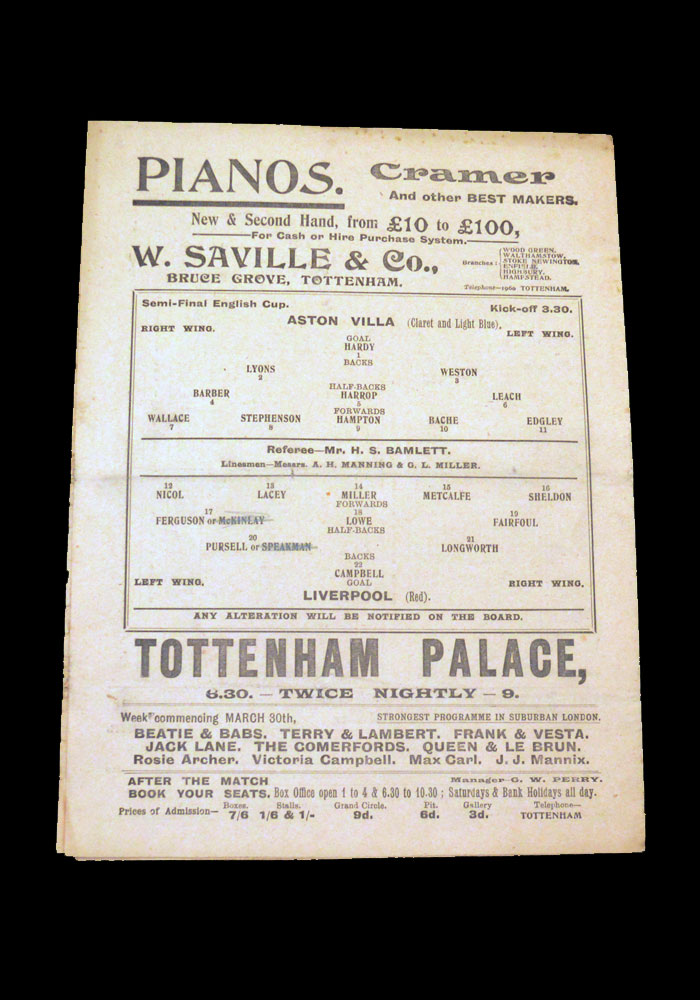
Archive examples: Burnley v Liverpool, 14 March 1914, and Aston Villa v Liverpool, 28 March 1914. These are illustrative scans, not assigned condition grades; a cover image alone cannot establish completeness or internal condition.
Writing and Team Changes
Handwriting divides opinion. Some collectors want completely unmarked copies, while others enjoy programmes containing scores, team changes and notes made during the match.
Neatly recorded substitutions or scorers can add historical character. They show that the programme was present at the fixture and used as intended. An autograph from a relevant player may also increase interest if its authenticity can be supported.
Random scribbling, calculations, children’s drawings and extensive ink generally reduce desirability. Writing on the cover usually has a greater effect than discreet notes inside.
Team changes should be judged in context. In earlier periods, printed line-ups were frequently inaccurate because programmes went to press before final selections. Contemporary amendments may therefore make the copy a more accurate record of the match.
When selling, describe all writing clearly. Do not use the phrase “slight annotations” if several pages contain substantial notes.
Rusty Staples and Staining
Metal staples react with moisture and can rust over time. Early signs appear as brown marks around the centre pages. Advanced corrosion may weaken the staple, stain surrounding paper and cause pages to detach.
Rust is more than a cosmetic problem because it can continue damaging the programme. Store affected issues somewhere dry and separate them from clean copies if the corrosion is severe.
Removing staples is not always advisable. Original construction is part of the programme, and careless removal can tear the centre fold. Replacement staples may also be misleading if not disclosed. Valuable items with serious corrosion should be assessed by someone experienced in paper conservation.
Other stains may come from water, drinks, food or storage against unsuitable materials. Water damage can leave tide marks, cause pages to wrinkle and encourage mould. Active mould requires particular care because it can spread and present a health concern.
Tears, Splits and Missing Paper
Small edge tears are common where thin pages have been handled repeatedly. Their effect depends on size, position and whether any printed information has been lost.
A split along the spine can loosen the cover or separate pages. Tears through photographs, team lists or cover artwork are more damaging than tiny faults in blank margins.
Missing corners and clipped sections may indicate that a coupon, token or photograph was removed deliberately. Check whether the publication originally contained collectable cards, league ladders or competition entries designed to be cut out.
Collectors should be cautious with tape repairs. Ordinary adhesive tape yellows, becomes brittle and can stain paper permanently. An old taped tear may be more difficult to conserve than an unrepaired one.
A programme can be carefully protected in an archival sleeve without attempting a homemade restoration.
Punch Holes and Removed Pages
Some collections were stored in ring binders, requiring holes to be punched through the programmes. While this kept seasons organised, it permanently removed paper and sometimes affected text.
Punch holes generally reduce value, particularly when clean copies are readily available. Their effect may be less severe on scarce issues, but they must always be disclosed.
Missing pages are a major fault. Unfortunately, absence is not always obvious if pagination is irregular or the centre spread has been removed neatly. Look for broken staples, uneven page sequences and references to posters or features that are no longer present.
Page counts can sometimes be confirmed through specialist catalogues, dealer knowledge or comparison with another copy. Completeness is especially important when evaluating rare football programmes that included loose inserts or supplements.
Trimming and Restoration
A programme with unusually neat edges may have been trimmed to remove tears or fit a binder. Trimming changes its original dimensions and can cut into borders, text or page numbers.
Restoration ranges from professional conservation to crude colouring, re-stapling and reconstructed corners. Good conservation aims to stabilise an object, but it should still be declared when the programme is sold.
Watch for mismatched paper, altered colour, unnatural edges and staples that appear much newer than the surrounding pages. Reproduction covers may occasionally be added to incomplete originals.
Repairs do not make an item worthless, especially when few examples survive. The important factors are transparency, quality and how much original material remains.
Age and Rarity Change Expectations
Condition should always be considered alongside availability. A 1980s league programme produced in large quantities can reasonably be expected to survive in clean condition. A fragile nineteenth-century card or early issue may remain highly desirable despite substantial wear.
This does not mean that every old item is valuable. Age, fixture importance, club, print quantity and collector demand all influence price.
Scarcity can make buyers more tolerant, but faults still affect value within that market. If two equally rare copies appear, the stronger example will usually command the higher price.
When collecting old football programmes, decide whether you prefer fewer high-grade examples or a broader collection containing affordable copies with faults. Both approaches are valid.
Compare the details, not just a grade
-
Arsenal v Liverpool 29.04.1950 - FA Cup Final
-
Liverpool v Chelsea 27.03.1965 (FA Cup semi final)
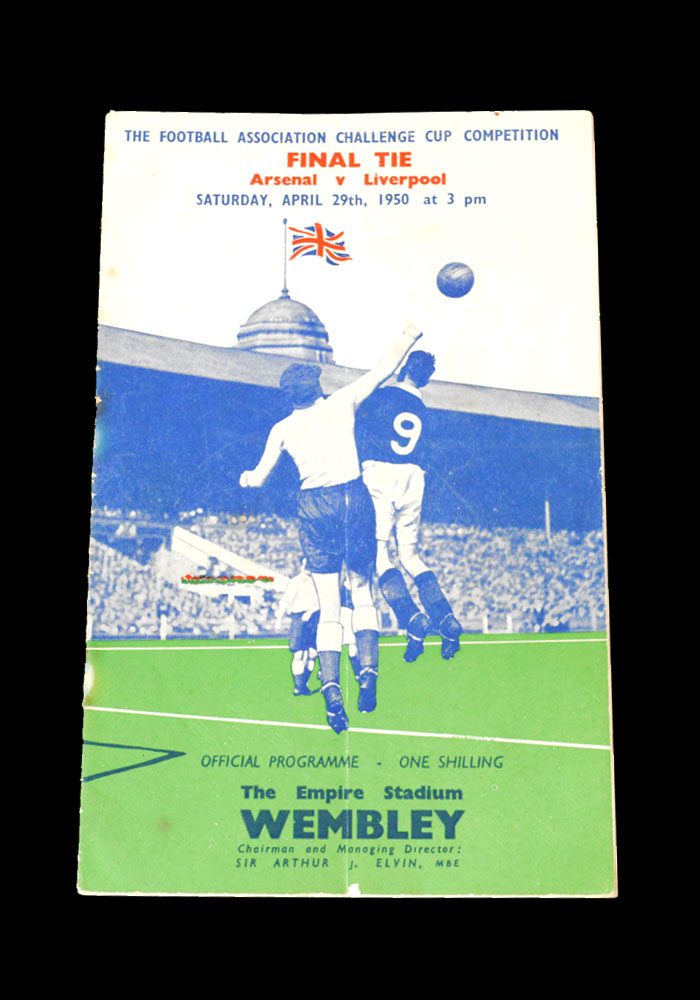

Archive examples: Arsenal v Liverpool, 29 April 1950, and Liverpool v Chelsea, 27 March 1965. Inspect the original item and supporting photographs before assessing condition, repairs or value.
How to Judge a Programme Before Buying
Ask for clear photographs of the front, back, centre pages and any damaged areas. For more valuable issues, request confirmation of page count, staple condition, writing and included inserts.
Compare the asking price with other copies, but make sure their conditions are genuinely similar. A clean copy and a heavily restored example should not be treated as direct equivalents.
At fairs, handle programmes with clean, dry hands and support fragile copies fully. Check the spine and centre without forcing pages flat.
Online, retain the listing description and ask questions before purchasing. If an important fault was not disclosed, contact the seller calmly and follow the marketplace’s return process.
Choose the Copy That Suits Your Collection
Condition affects value, but collecting should not become a pursuit of perfection at the expense of enjoyment. A folded programme from a grandparent’s first match may matter more than an immaculate but impersonal copy.
Learn to recognise folds, rust, tears, missing pages and unsympathetic repairs. Then decide which faults you can accept based on scarcity, budget and personal significance.
Grades provide a useful starting point, but details matter more than labels. The best collectors look closely, ask sensible questions and buy with realistic expectations. A programme does not need to be flawless to tell its story—it simply needs to be honestly understood.